
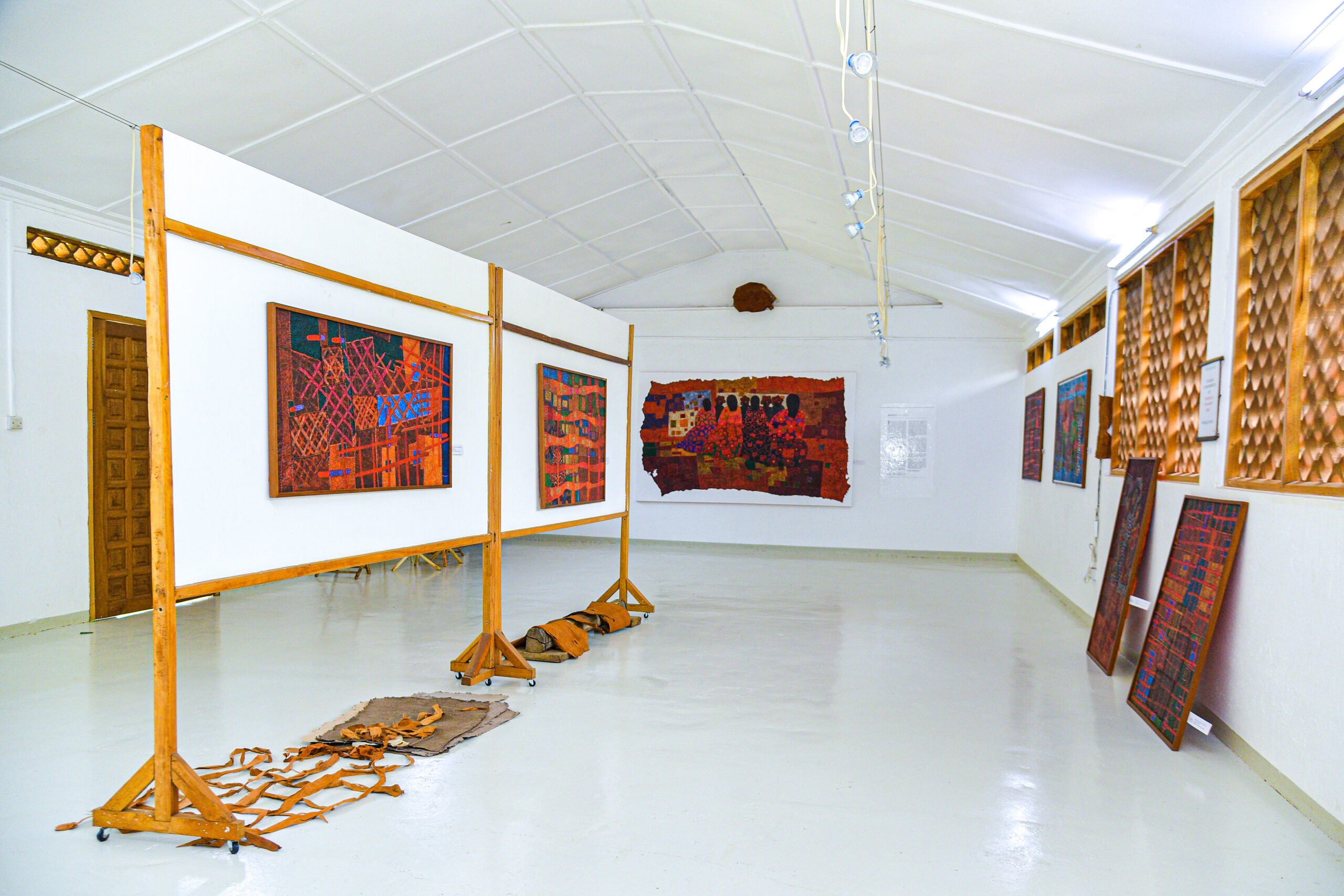
Olugo: the living cloth of the Mutuba tree
Bark cloth is one of the oldest fabrics still in production anywhere. Made without felling the tree, it is a material with a long memory.
Bark cloth — olugo — is made from the inner bark of the Mutuba, or fig, tree. The bark is stripped, steamed, and beaten with wooden mallets until a narrow strip has spread into a broad, supple sheet the colour of old terracotta.
The detail that surprises most visitors is that the tree survives. The stripped trunk is wrapped in banana leaves and left to heal, and the same tree can be harvested again year after year for decades. The cloth is a renewable material in the most literal sense.
A recognised heritage
In 2005, UNESCO proclaimed the barkcloth making of the Baganda a Masterpiece of the Oral and Intangible Heritage of Humanity; it was inscribed on the Representative List in 2008. That recognition matters less for the honour than for what it acknowledges: a technique that predates woven cotton in this region and has never entirely stopped.
In the gallery
Several artists in our programme work with bark cloth directly — stitching it, staining it, cutting into it, or building it up in layers until it behaves more like a relief than a textile. The material carries its own surface history, and most of them let it show.
Because the beating stretches the cloth unevenly, no two sheets take colour the same way. What reads at a distance as a flaw is usually the record of a hand.
More from the Journal
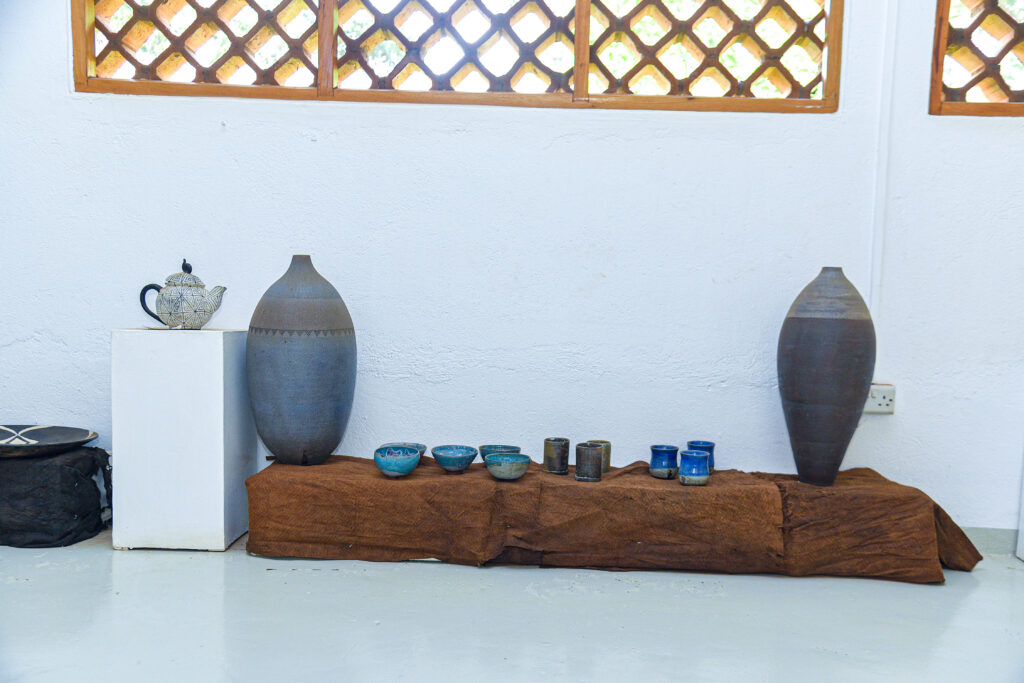
Kulega to Kuleega: an exhibition held in two verbs
The title of our current exhibition turns on a single lengthened vowel — and that small shift carries the whole argument of…
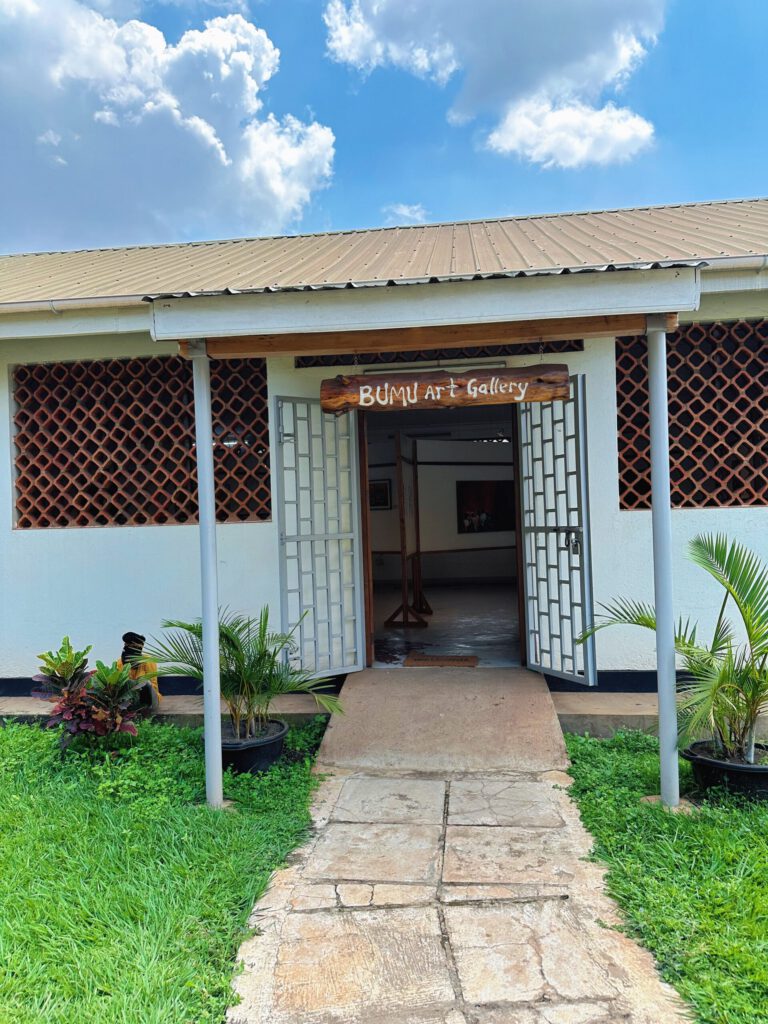
Finding us at the palace gate
We sit on Lubiri Ring Road, directly opposite the Kabaka’s Palace Gate. Here is how to reach us, and what to expect…