
Exhibition
Kulega to Kuleega
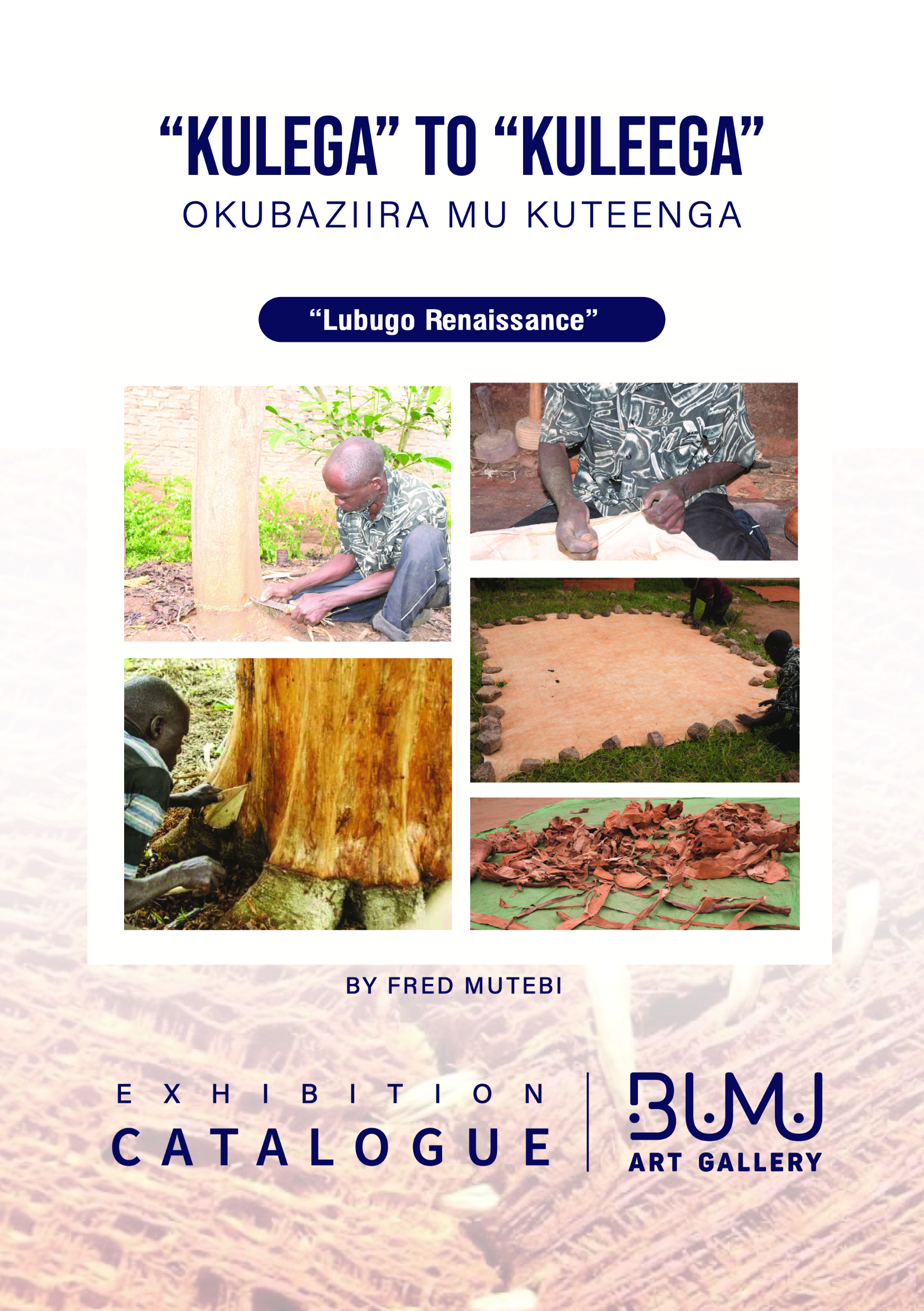
For more than 800 years, Lubugo (bark cloth) has remained one of the most enduring symbols of Buganda’s cultural heritage.
Since its invention, it has clothed, covered, and buried generations of our ancestors while serving as an essential material in sacred rituals and cultural ceremonies. Today, Lubugo continues to inspire admiration in the contemporary world. The Baganda still use it to bury their loved ones and during the installation of heirs to the deceased. At the same time, contemporary artists and designers are transforming it into innovative artistic and functional expressions.
Over the past twenty years, I have worked closely with Bakomazi (Mutuba tree surgeons) and observed the profound relationship between the Baganda people and the Mutuba tree. Through this journey, I have recognized a significant gap in the documentation, recognition, and appreciation of the many activities within the Lubugo value chain. This has resulted in limited public knowledge and understanding of the cultural, technical, and artistic processes involved in its production.
Motivated by a desire to contribute to the standardization and preservation of Lubugo, I have drawn inspiration from the complete trajectory of its production. This body of work presents my interpretation of that journey while proposing a framework that celebrates the craftsmanship embedded within every stage of the process.
Although Lubugo production has traditionally been dominated by men, my work brings attention to Kubaziira—a crucial stage that highlights the contribution of women within the value chain. Kubaziira is the meticulous process of stitching and repairing holes that emerge as the bark is beaten from its original thickness into a thin, flexible fabric. This intervention restores strength, reinforces the material, and ensures the integrity of the final bark cloth. It takes place during the second-last stage of production, known as Okuganjula.
Selected works
All artworks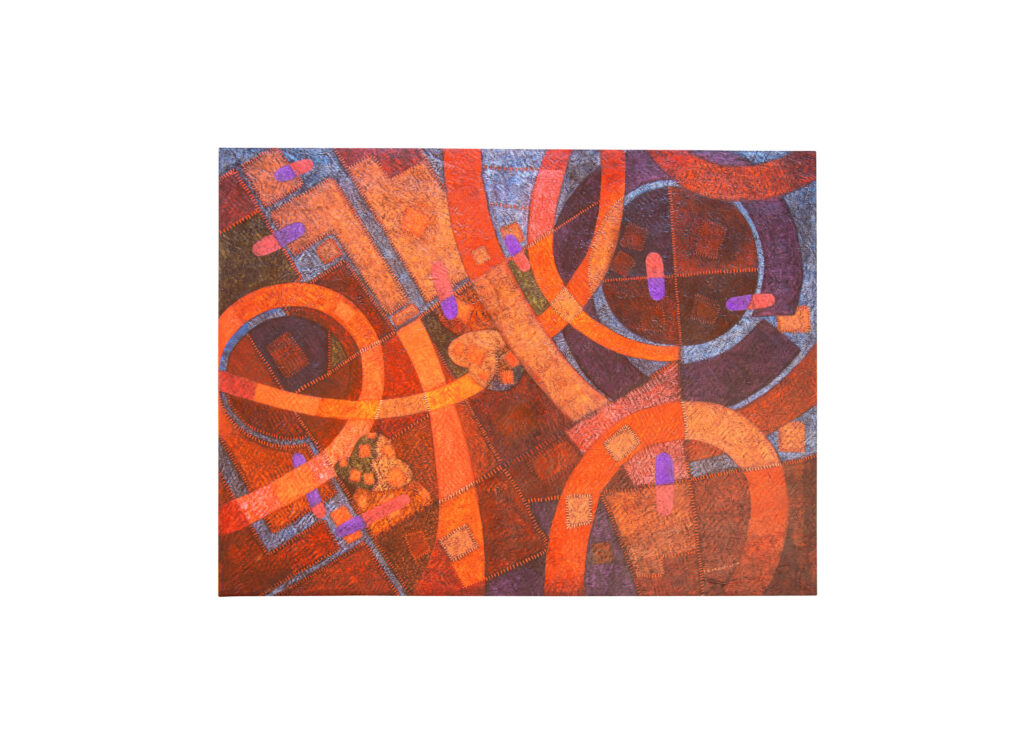
2026 / Fred Mutebi
Spiritual synthesis
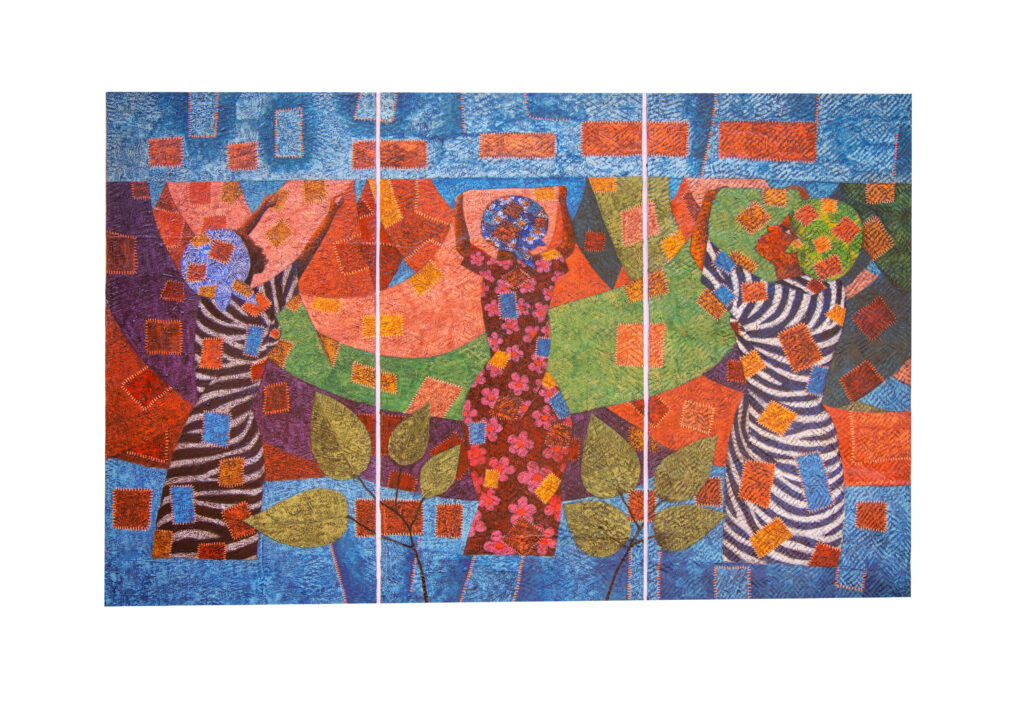
2026 / Fred Mutebi
Different colors one people
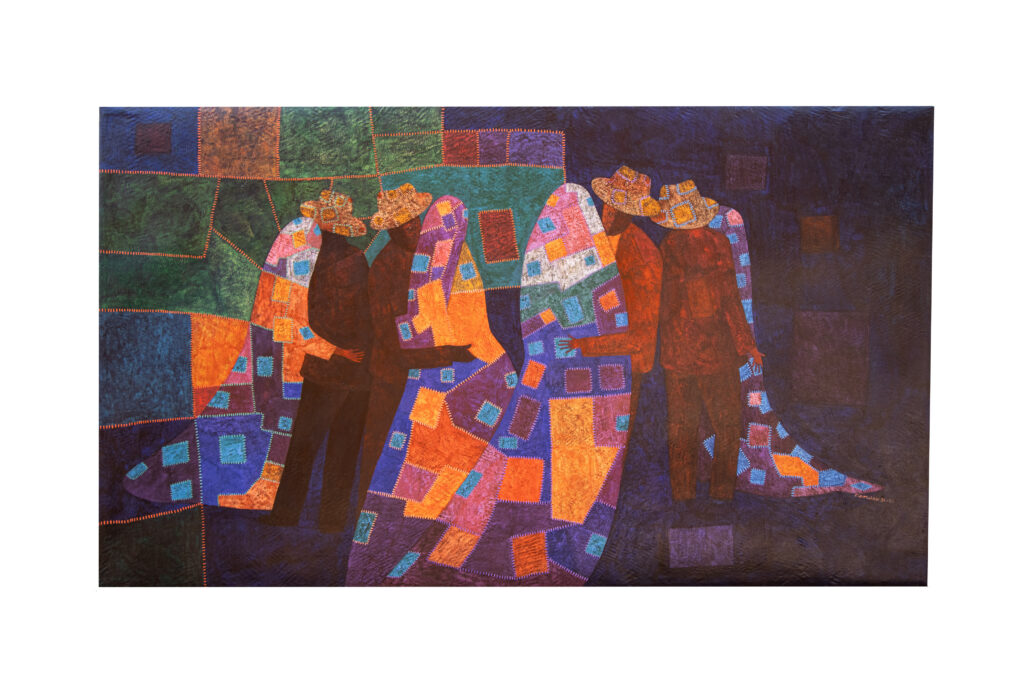
2026 / Fred Mutebi
Oldies night
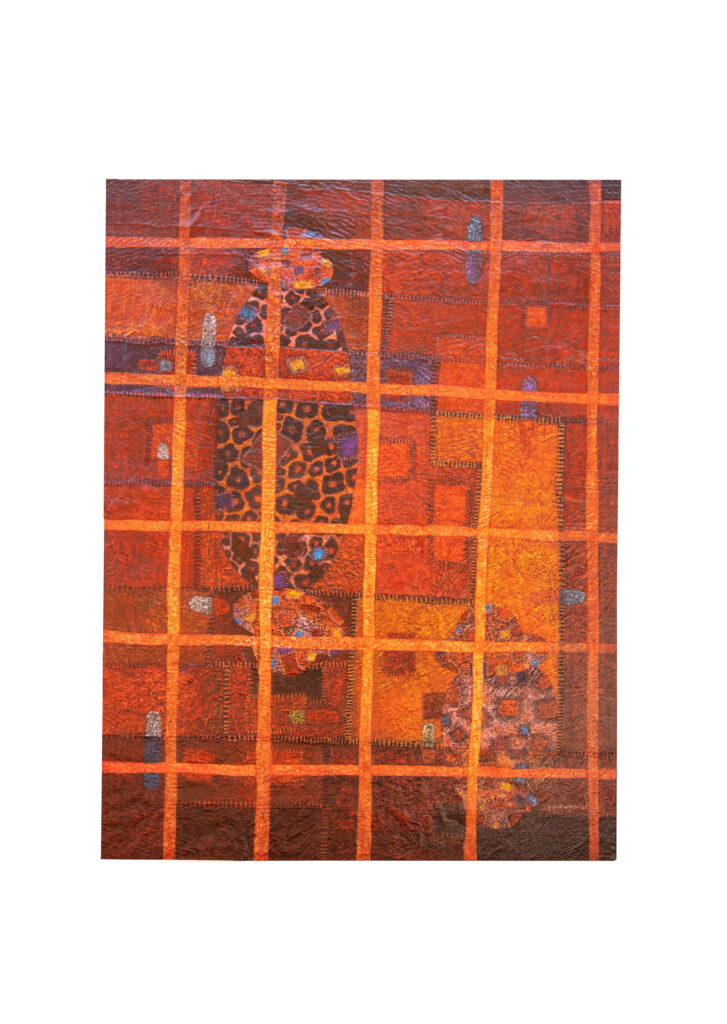
2026 / Fred Mutebi
Spiritual synthesis procreation
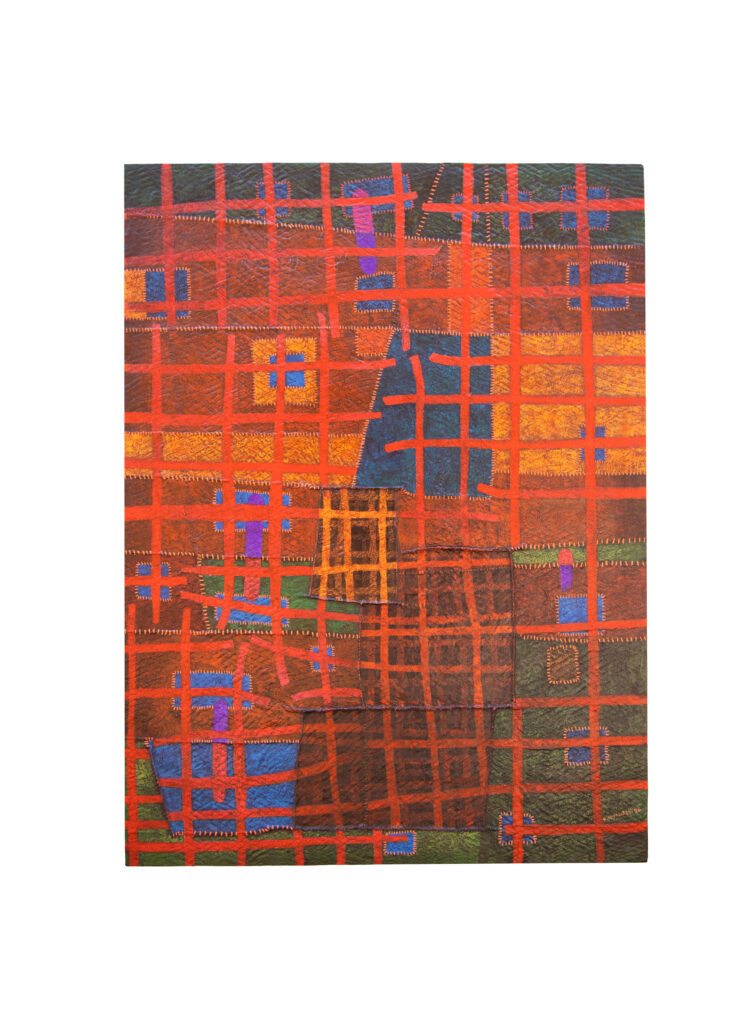
2026 / Fred Mutebi
Spiritual synthesis – procreation
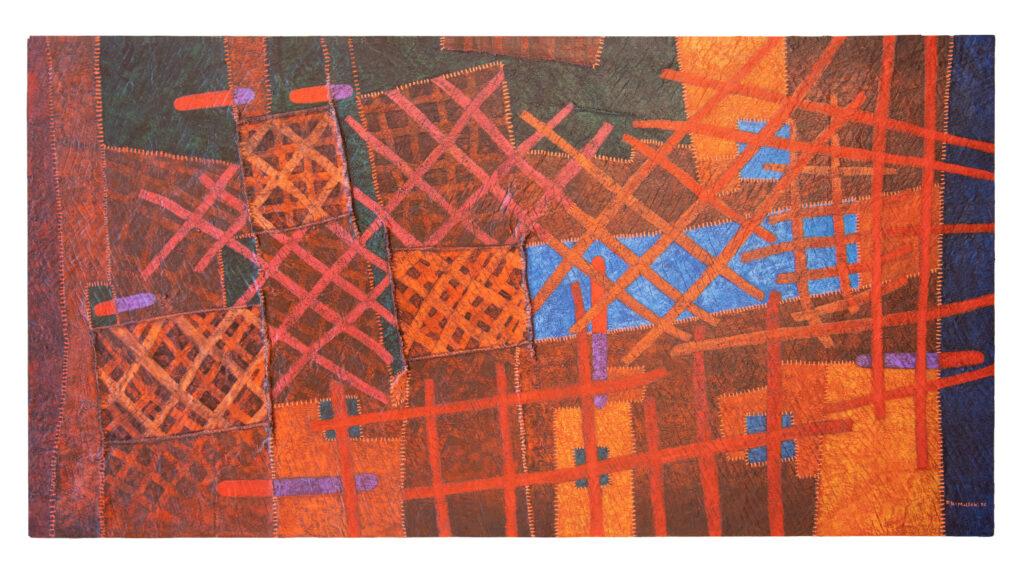
2026 / Fred Mutebi
Spiritual synthesis – procreation -hidden windows
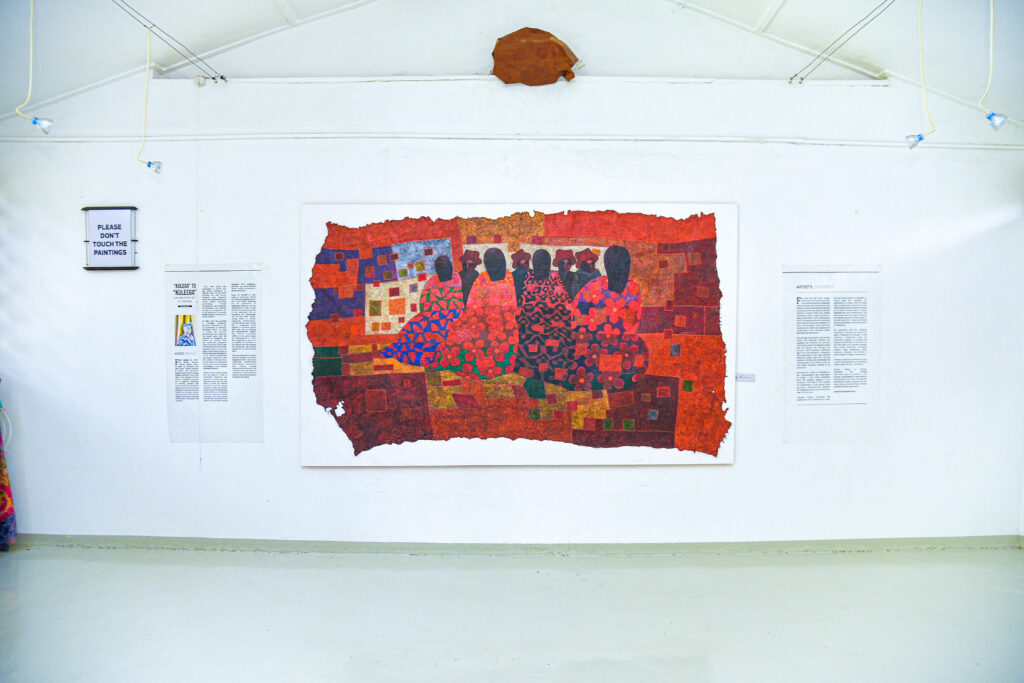
2026 / Fred Mutebi